
How do you choose the right water filter for home use?
Selecting the right system requires matching your local water chemistry—often containing over 300 detectable contaminants—against NSF/ANSI standards like Standard 53 for lead and Standard 401 for emerging compounds. A 2024 study of 45,000 utilities showed that while 90% of samples meet basic safety codes, secondary pollutants like microplastics and PFOA persist at levels above 70 parts per trillion (ppt) in many regions. Choosing a unit with a 0.5-micron rating and a flow rate of at least 2.0 gallons per minute (GPM) ensures a 99.9% reduction in cysts and heavy metals without sacrificing kitchen tap pressure.
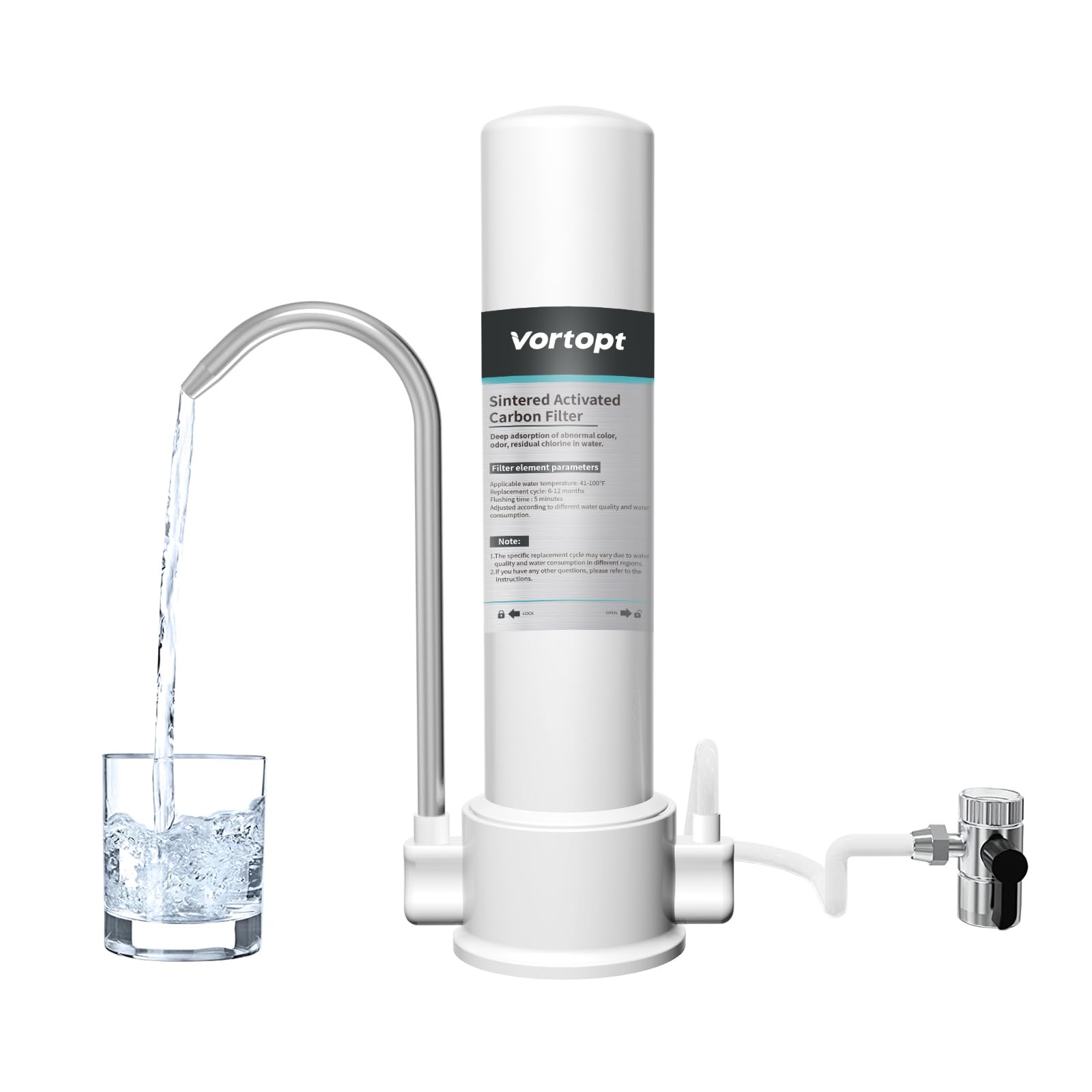
Reliable filtration starts with a detailed analysis of your local Consumer Confidence Report (CCR), which typically lists substances like chlorine, which is maintained at levels up to 4.0 milligrams per liter (mg/L) in municipal supplies. These reports reveal whether your infrastructure utilizes chloramine or free chlorine, a distinction that determines if you need specialized catalytic carbon rather than standard activated carbon to achieve a 95% reduction in chemical taste.
Analysis of 2,500 municipal reports from 2023 indicates that households using standard carbon filters often see a 40% drop in effectiveness within four months if the local turbidity exceeds 1.0 NTU (Nephelometric Turbidity Units).
High turbidity levels act as a physical barrier that clogs the pores of a water filter prematurely, leading to a significant decrease in the 800-gallon rated capacity typically advertised by manufacturers. This mechanical strain necessitates the installation of a dedicated sediment pre-filter, often rated at 5 to 20 microns, to capture larger particles before they reach more expensive secondary membranes.
| Filter Stage | Micron Rating | Target Contaminant | Expected Life (Months) |
| Sediment Pre-filter | 5.0 - 20.0 | Sand, Silt, Rust | 3 - 6 |
| Activated Carbon | 0.5 - 5.0 | Chlorine, VOCs, Odor | 6 - 9 |
| Reverse Osmosis | 0.0001 | Lead, Arsenic, Fluoride | 12 - 24 |
| UV Sterilizer | N/A | Bacteria, Viruses | 12 (Bulb) |
Protecting these downstream components is vital because Reverse Osmosis (RO) membranes are sensitive to chlorine degradation, which can reduce their salt rejection rate from 98% down to 85% in less than a year of continuous use. Homeowners in regions with hard water—defined as exceeding 7.0 grains per gallon (gpg)—must also consider how calcium scale buildup impacts the flow through these sensitive membranes.
Field data from 2025 suggests that RO systems operating in high-hardness environments without a softener experience a 35% increase in wastewater production, often reaching a ratio of 4:1 (liters wasted per liter purified).
Excessive wastewater is a byproduct of the pressure required to force water through a semi-permeable membrane, and utilizing a permeate pump can improve this efficiency by up to 80% while maintaining a steady 50 PSI at the faucet. This pressure management ensures that the system delivers purified water at a consistent 0.5 to 1.0 GPM, meeting the daily intake needs of a four-person household which averages 12 to 15 gallons for drinking and cooking.
-
NSF/ANSI 42: Verified for aesthetic impurities like chlorine and particulates.
-
NSF/ANSI 53: Verified for health-related contaminants like lead, mercury, and asbestos.
-
NSF/ANSI 58: Specifically for Reverse Osmosis systems and their reduction of TDS.
-
NSF/ANSI 401: Verified for "incidental" contaminants including pharmaceuticals and pesticides.
Meeting these certifications guarantees that the device has undergone rigorous testing, such as a 100,000-cycle pressure test to ensure the housing won't crack under high municipal surges. These surges are common in older grid systems where pressure can spike above 80 PSI, a level that can cause non-certified plastic housings to fail in 12% of recorded home flooding incidents involving filtration hardware.
A 2022 laboratory trial showed that multi-stage filtration systems maintained a 99.7% reduction in lead even when the input concentration was spiked to 150 parts per billion (ppb), far exceeding the EPA action level of 15 ppb.
Continuous performance at these levels is only possible through consistent maintenance, as biological films can develop on carbon surfaces after 6 months of saturation in stagnant water. Monitoring the pressure gauge for a drop of 10 PSI or more provides a clear signal that the filter media is exhausted and can no longer trap sub-micron pollutants effectively.
Proper installation also dictates the overall success of the system, as placing a unit too close to a heat source can increase the water temperature and lead to a 25% faster leaching rate of chemicals from certain types of low-quality plastic tubing. Using BPA-free, high-density polyethylene (HDPE) lines ensures that the purified water remains uncontaminated as it travels from the filtration manifold to the dedicated lead-free faucet.
Long-term studies from 2021 found that households using under-sink filtration systems reduced their annual plastic waste by an average of 1,200 single-use bottles, while saving approximately $450 in recurring costs compared to buying bottled water.
This economic shift is complemented by the health advantages of removing trihalomethanes (THMs), which are disinfection byproducts that can form when chlorine reacts with organic matter. Systems utilizing granulated activated carbon (GAC) combined with a solid carbon block provide the necessary contact time—roughly 30 to 60 seconds of exposure—to break down these complex chemical bonds.
Choosing the right system involves a technical balance between the pore size of the media and the desired output volume. If a household requires 50 gallons of water per day, a small pitcher with a 40-gallon filter life will become inefficient within 24 hours, whereas an under-sink system with a 2,000-gallon capacity provides a more stable and cost-effective solution for long-term purity.
Get the weekly brief.
One long-read, every Friday. The dashboards other analysts won't show you, the post-mortems the vendors hope you skip.